The Wearable Tech
Advertorial
By Mara Ellis | Updated August 13, 2026
Wearable report
7 Signs Your Wearable Is Giving You Data, Not Direction
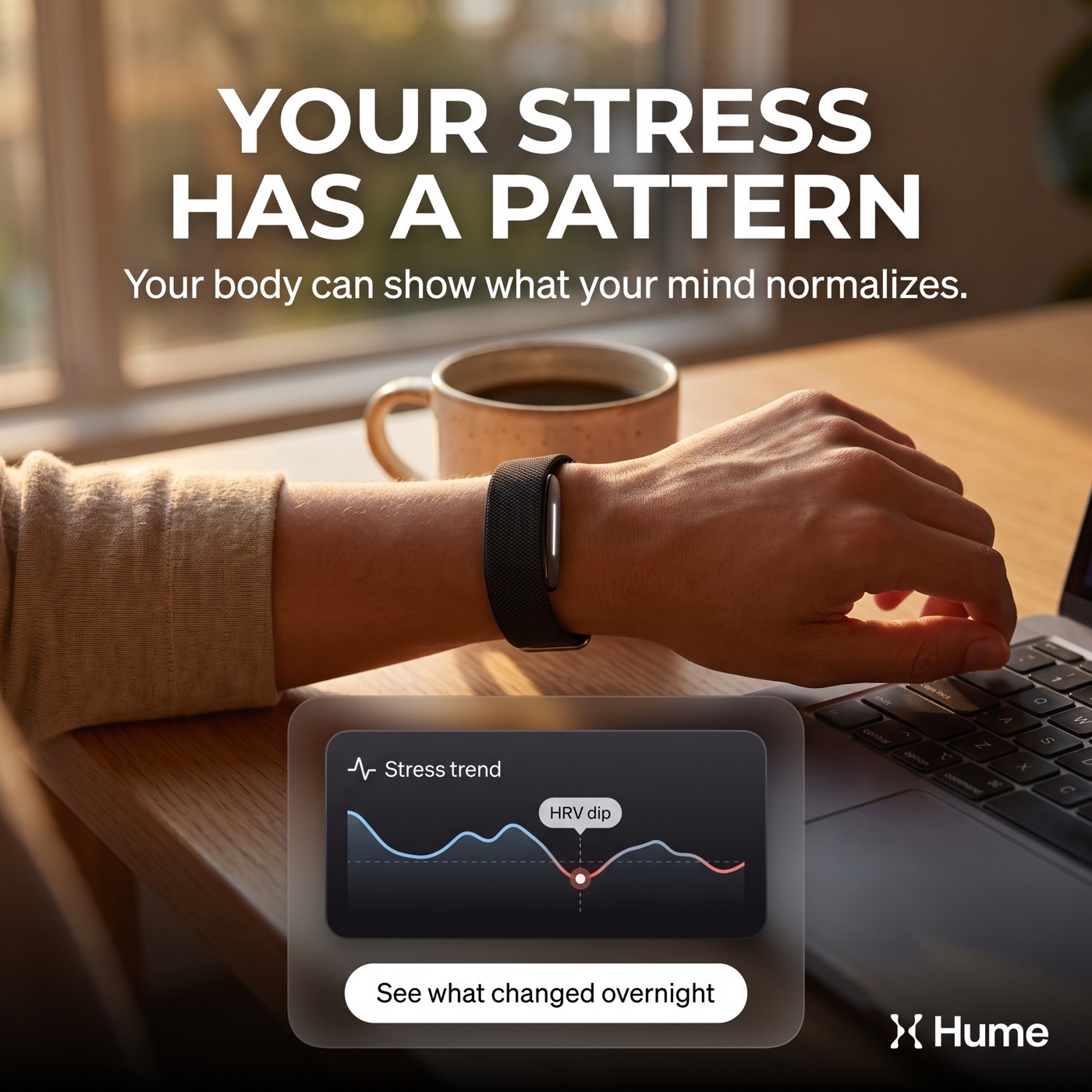
Most trackers can count what happened. Hume Band 2.0 is built for the question people ask the next morning: what changed, and what should I pay attention to?
Featured wearable
Hume Band 2.0
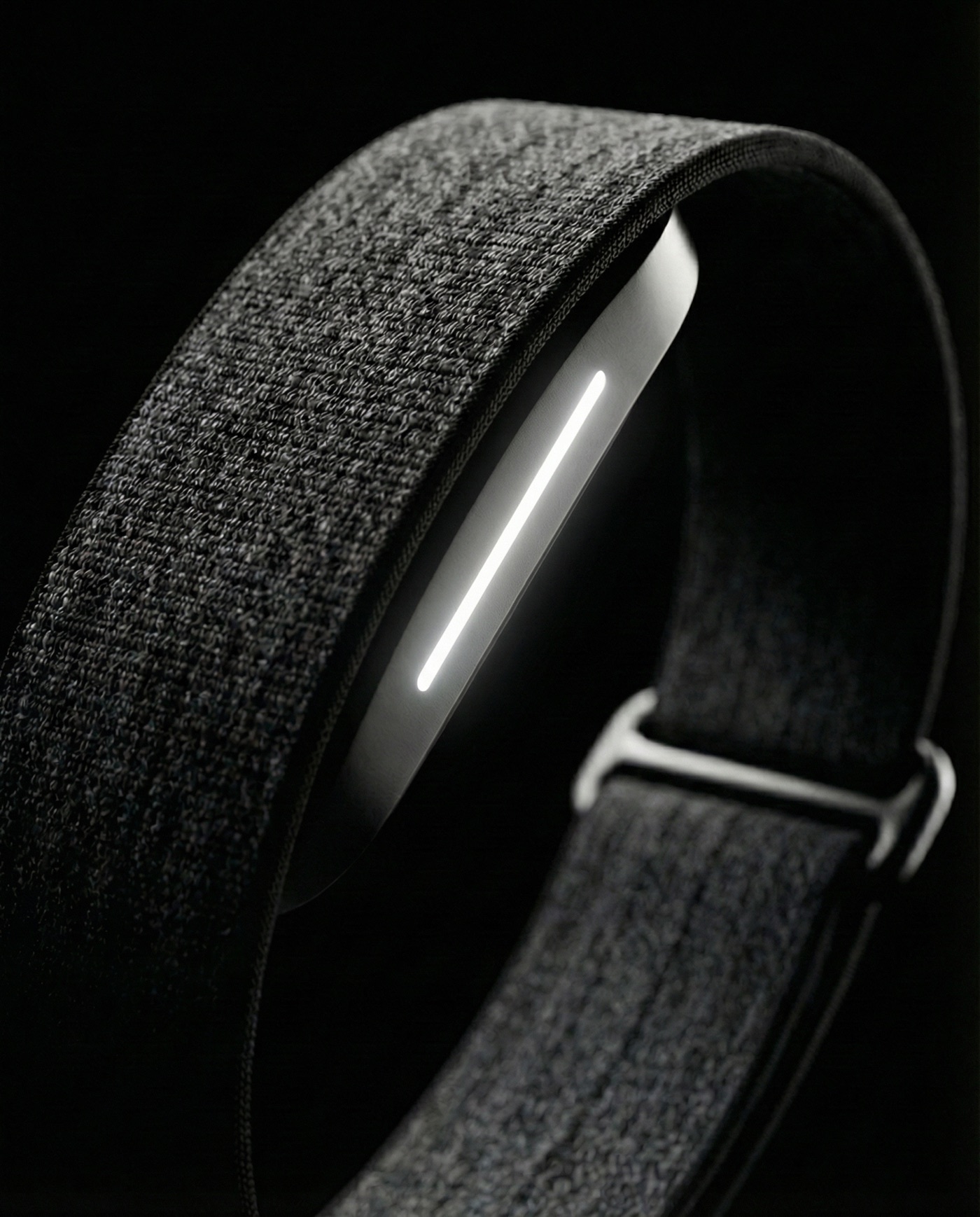
A screenless health wearable for sleep, recovery, stress, heart-signal, and long-term trend context.
- Tracks connected wellness signals across sleep, recovery, strain, and heart trends
- Free Hume app included, with optional Premium coaching
- Up to 14 days of battery life
- 45-day refund policy and free worldwide shipping
The most successful health-tech advertorials use the same persuasion move: they name a familiar frustration, show the reader the missing signal, then make the product feel like the logical next step.
The frustration is not that people lack data. It is that they have more data than ever and still wake up wondering what it means.
The translation gap
It shows numbers, but not what changed
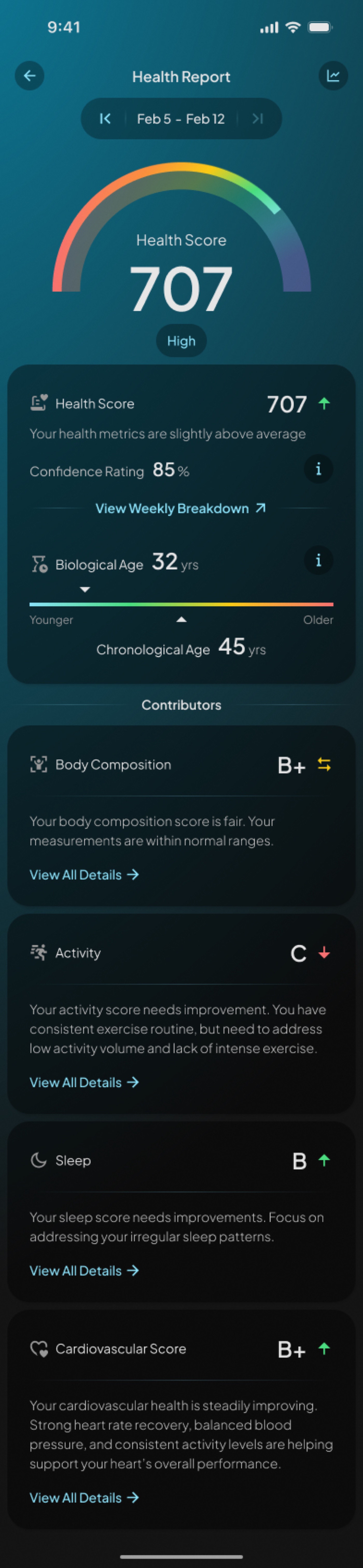
Most wearables are good at collecting. Steps. Rings. Sleep time. Heart-rate snapshots. The problem starts the next morning, when the user opens the app and still has to decide what any of it means.
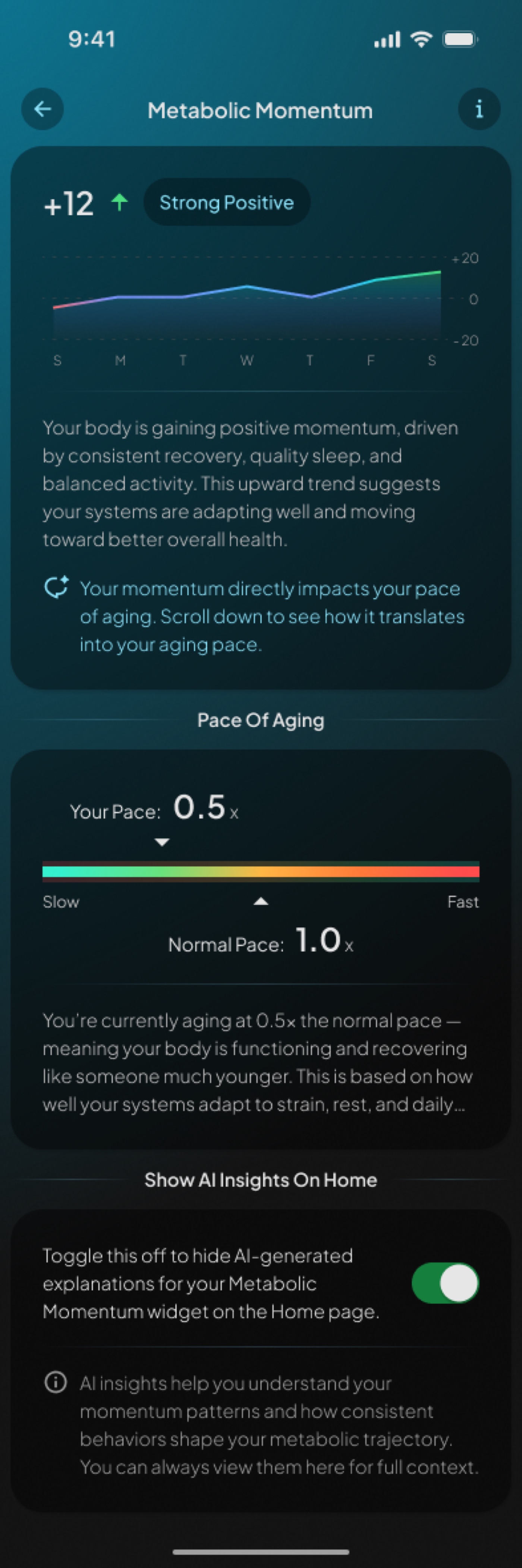
Hume Band 2.0 is built around a different job: turning daily body signals into a clearer read. The Hume app connects sleep, recovery, heart signals, activity, and metabolic trend context so the user can see direction instead of digging through disconnected charts.
See how Hume Band 2.0 translates signals →The sleep mistake
It counts your sleep, but not what that sleep did for you

Seven hours in bed can still leave someone feeling flat. That is why sleep-time alone is such a weak signal. It answers the easy question, not the useful one.
Hume Band 2.0 tracks sleep stages, sleep quality, and recovery context so users can look past the headline number. The point is not to obsess over every stage. It is to notice the pattern: what kind of night actually leads to a better morning?
Explore the sleep and recovery read →The morning decision
It tracks workouts, but not whether today is a push day
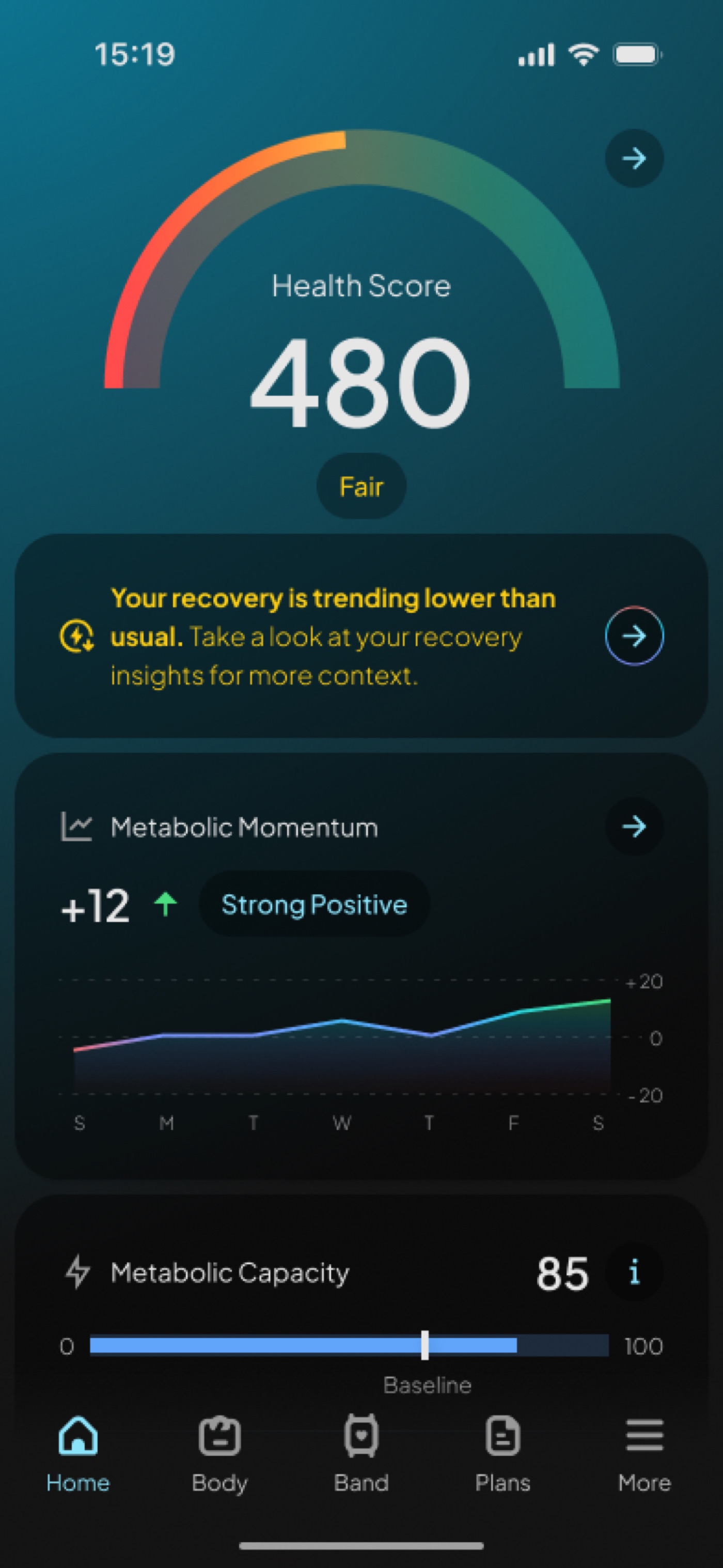
A plan can say push. Your body may be saying something else. That gap is where people either overdo it, underdo it, or keep guessing.
Hume Band 2.0 anchors the morning check-in around recovery direction and readiness context. When recovery trends lower than usual, that information can shape the next choice: train hard, take an easier day, prioritize sleep, or simply pay closer attention.
See the recovery check-in →The heart-signal trap
It gives one reading, but your body lives in patterns

One reading can be useful. It can also be misleading without context. A single morning, a stressful meeting, a poor night of sleep, or a hard workout can all change what the number looks like.
Hume Band 2.0 puts heart-rate patterns, HRV, blood-pressure insights, blood oxygen, skin temperature, strain, and recovery status into longer context. That makes it easier to notice whether a signal is a one-off or part of a larger trend.
Track heart and recovery patterns →The baseline problem
It compares you to averages instead of learning your normal
Generic benchmarks are useful until they start flattening the person wearing the device. A late night may be normal for one user and a real shift for another. A recovery dip may be noise once, but a pattern after two weeks.
The strongest Band 2.0 creative learning is the idea of a personal baseline: one bad day is noise; a changing baseline is a signal. Hume Band 2.0 helps users watch how sleep, stress, activity, and recovery move together over time.
Learn what your normal looks like →The quiet design
It adds another screen, when the better answer may be no screen
A lot of wearables compete for the wrist by adding more interruptions. More pings. More glowing screens. More tiny reasons to check out of the moment.
Hume Band 2.0 is screenless on the wrist and clear in the app. The device is designed for 24/7 wear with up to 14 days of battery life, an IP68 dustproof and water-resistant rating, and a comfortable strap built for continuous tracking.
Check the Band 2.0 design →The offer
The current launch offer makes the switch easier to test
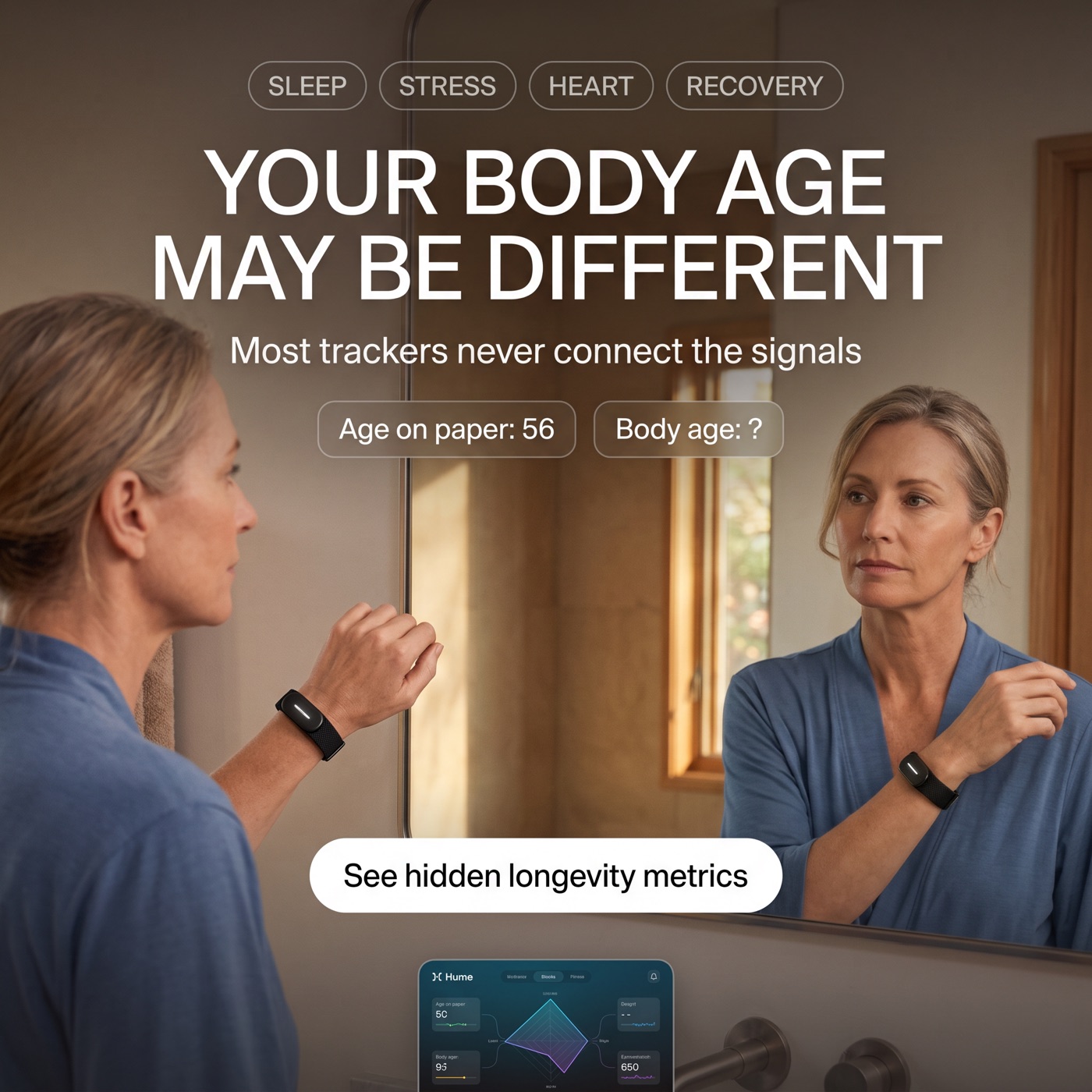
The last reason is practical. If someone is already wondering whether their current wearable gives them enough direction, the best next step is not another week of reading reviews.
Hume Band 2.0 is currently listed at $249, down from $356, with the free Hume app included, free worldwide shipping, and a 45-day refund policy. No subscription is required to use the Band or access raw data, while optional Premium unlocks deeper AI-powered coaching.
Check availability →The simple test
If your wearable gives you charts but not choices, try a morning read built for direction.
Wear Hume Band 2.0, build your baseline, and see whether sleep, stress, recovery, and heart trends start making more sense together.
Shop Hume Band 2.0Who this speaks to
They like their device, but they are not convinced it gives enough health direction.
They track sleep hours, but still do not know why some mornings feel harder.
They want to know when to push, slow down, or pay attention to recovery.
Hume Band 2.0 vs. a typical wearable
| What matters | Hume Band 2.0 | Typical wearable |
|---|---|---|
| Primary job | Connected wellness direction | Tracking, notifications, workouts |
| Morning read | Sleep, stress, recovery, and heart trend context | Often split across separate charts |
| Screen on wrist | Screenless, quiet wearable | Often another notification surface |
| Battery | Up to 14 days | Often shorter, depending on model and use |
| Subscription | No subscription required for raw data | Varies by brand and feature set |
| Return policy | 45-day refund policy | Varies |
Questions people ask before switching
Is Hume Band 2.0 a medical device?
No. This page discusses Hume Band 2.0 as a wellness wearable. It tracks signals and helps users see patterns over time. It is not intended to diagnose, treat, cure, prevent, or predict any disease or medical condition.
Do I need a subscription?
No subscription is required to use Hume Band 2.0 or access raw data. Hume Premium is optional for users who want deeper AI-powered coaching and feedback.
What does Hume Band 2.0 track?
Hume lists signals including HRV, blood-pressure insights, metabolic momentum, biological age, pace of aging, SpO2, skin temperature, sleep stages, activity patterns, strain, and recovery status.
How is this different from a smartwatch?
The core difference is the job it is built to do. A smartwatch often emphasizes notifications, workouts, and activity. Hume Band 2.0 is positioned around connected health direction.
Current offer
Ready to get direction from your daily health data?
Hume Band 2.0 is listed at $249 with free worldwide shipping, a free app, and a 45-day refund policy.
Check Availability