
Home > Heart Health > The Hume Band™
Home > Stress & Recovery > HRV Wearable
Tired for no reason? It's the stress you can't feel, and here's how to finally see it
If you feel tired, wired, and worn down for no clear reason, or if good sleep no longer leaves you rested, read this before you try anything else.
By Elena Ross · Health & Wellness Writer
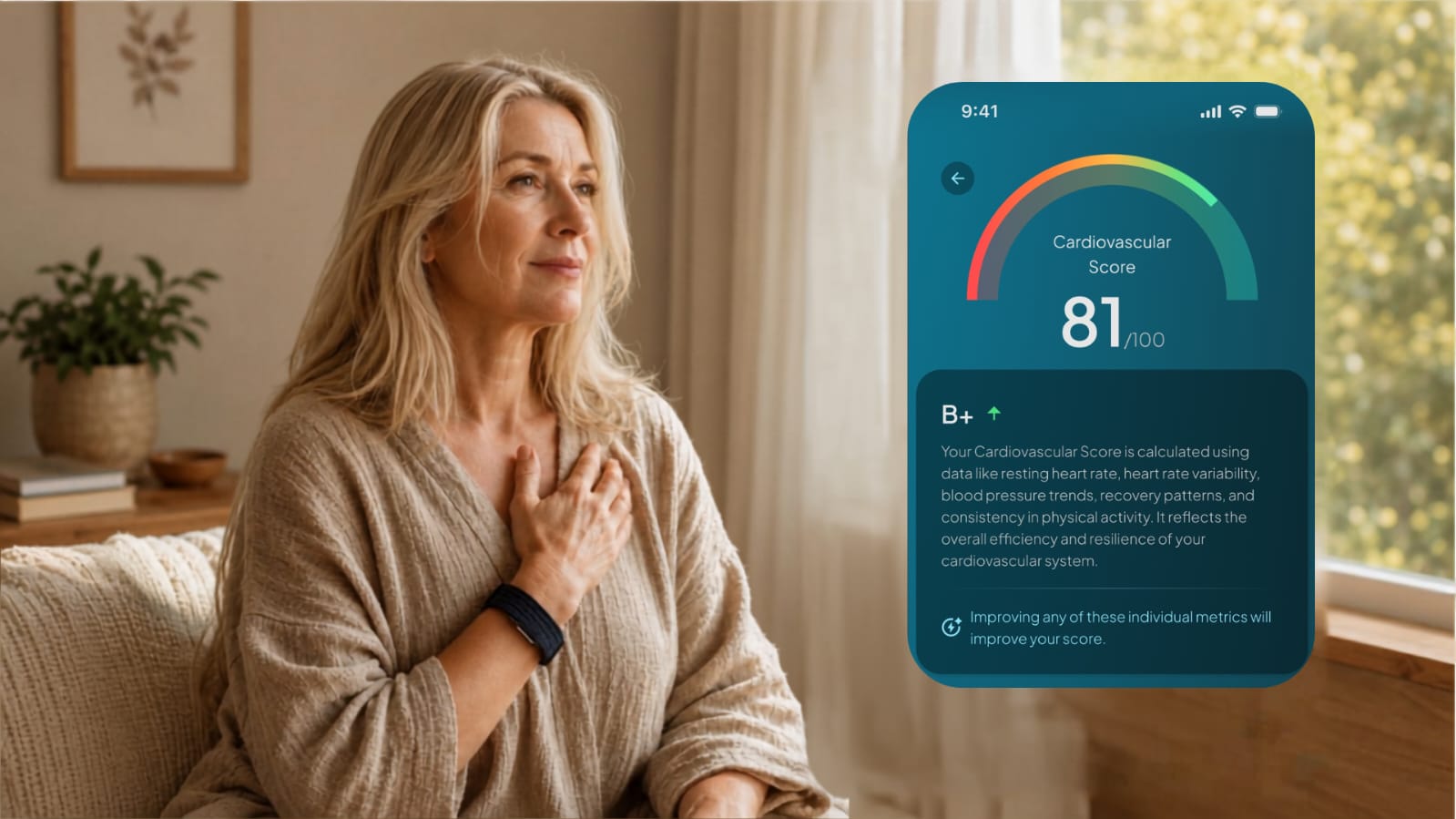
Hi, my name is Elena and I work in preventive and lifestyle medicine.
I have spent more than a decade helping people who feel run down long before anything shows up on a standard checkup.
Over the years I have sat across from thousands of people dealing with the same complaints:
⚠️ Always tired, never rested
⚠️ Wired at night, foggy by morning
⚠️ Short fuse and low patience
⚠️ A resting heart rate that keeps climbing
You name it.
I have heard it all.
From mild burnout and broken sleep, to people who could not remember the last time they felt calm and clear
The kind of stress that hides until it has already cost you

Most people think stress is something you feel. A racing mind, a tight chest, a hard day you can point to.
But the stress that does the real damage is the kind you stop noticing. It runs in the background while you carry on as normal, and you only feel it once you are already deep in burnout.
For a long time there was no easy way to catch it early. Then science caught up, and one number changed everything.
The hidden signal behind burnout.
It all comes down to your nervous system, and a reading called heart rate variability, or HRV.
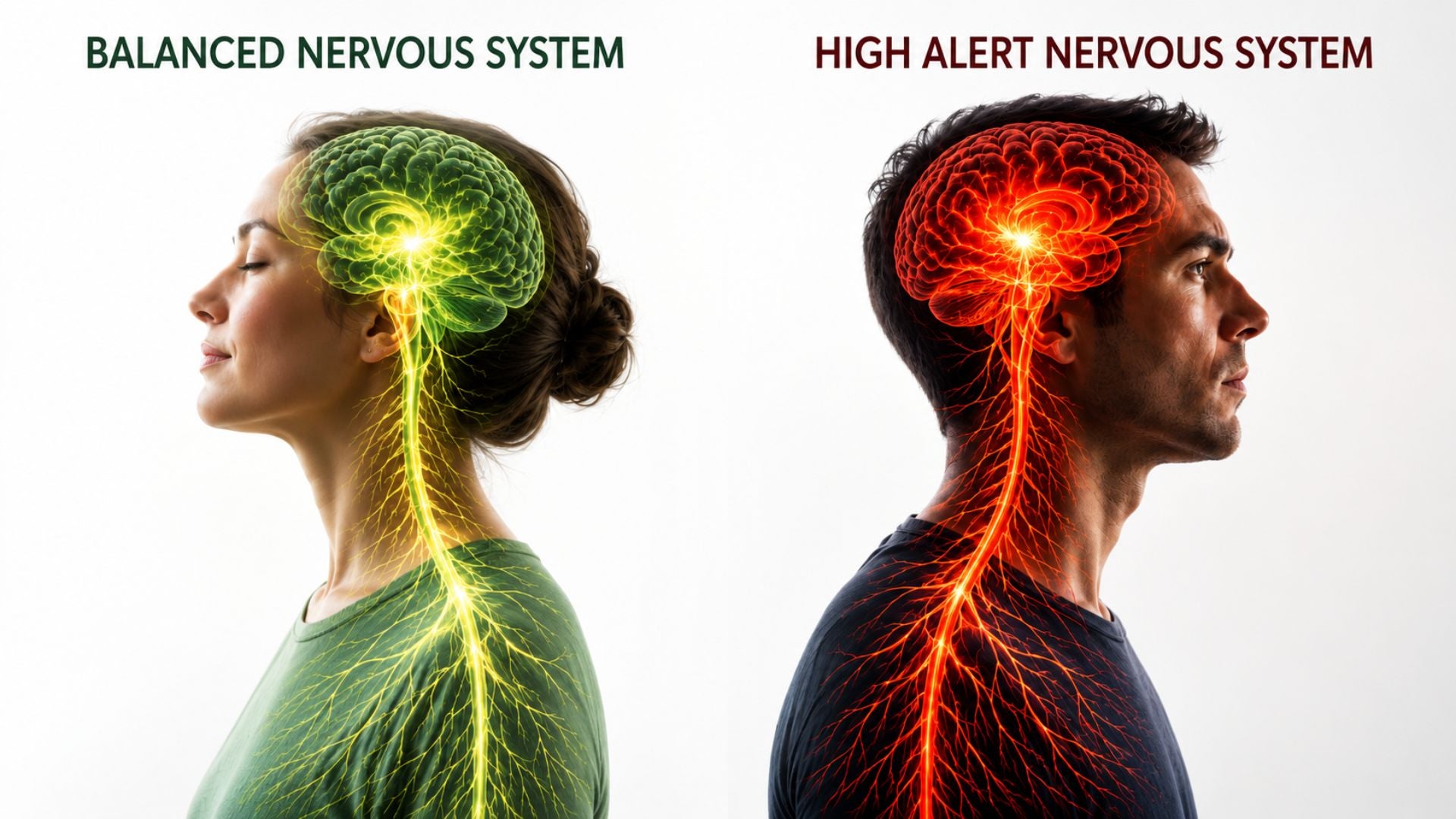
Balanced Nervous System

Calm mind
Steady heart rate
Slow deep breathing
Relaxed muscles
Healthy digestion
Better recovery
Rest and digest mode
Nervous System in High Alert

Anxious or overwhelmed mind
Elevated heart rate
Rapid shallow breathing
Muscle tension
Slower digestion
Fatigue and burnout risk
Fight or flight mode
Your nervous system has two settings. One is the gas pedal that ramps you up for stress and effort. The other is the brake that calms you down so your body can rest and repair.
On a healthy day, the two trade off. You rev up when you need to, then settle back down.
HRV is the tiny variation in time between each heartbeat, and it is the clearest window into that balance. Higher HRV means the brake is working and your body can recover. Lower HRV means the gas pedal is stuck down and your body never fully stands down
Why the gas pedal gets stuck

Modern life keeps the gas pedal pressed. Work emails at 11pm, poor sleep, too much caffeine, hard training with no real rest, money worries that never switch off.
Your body treats all of it as one thing: a threat that never ends.
So it stays on alert. Your heart rate sits a little higher. Your HRV drops. Sleep stops doing its job, even when you get eight hours.
And here is the cruel part. You cannot feel any of this happening. There is no ache, no warning light. You just slowly feel worse and blame your age, your job, or your willpower.
Left alone, it tends to get worse, not better. What starts as low energy can turn into the kind of burnout that takes months to climb out of.
Your morning heart rate tells the story first
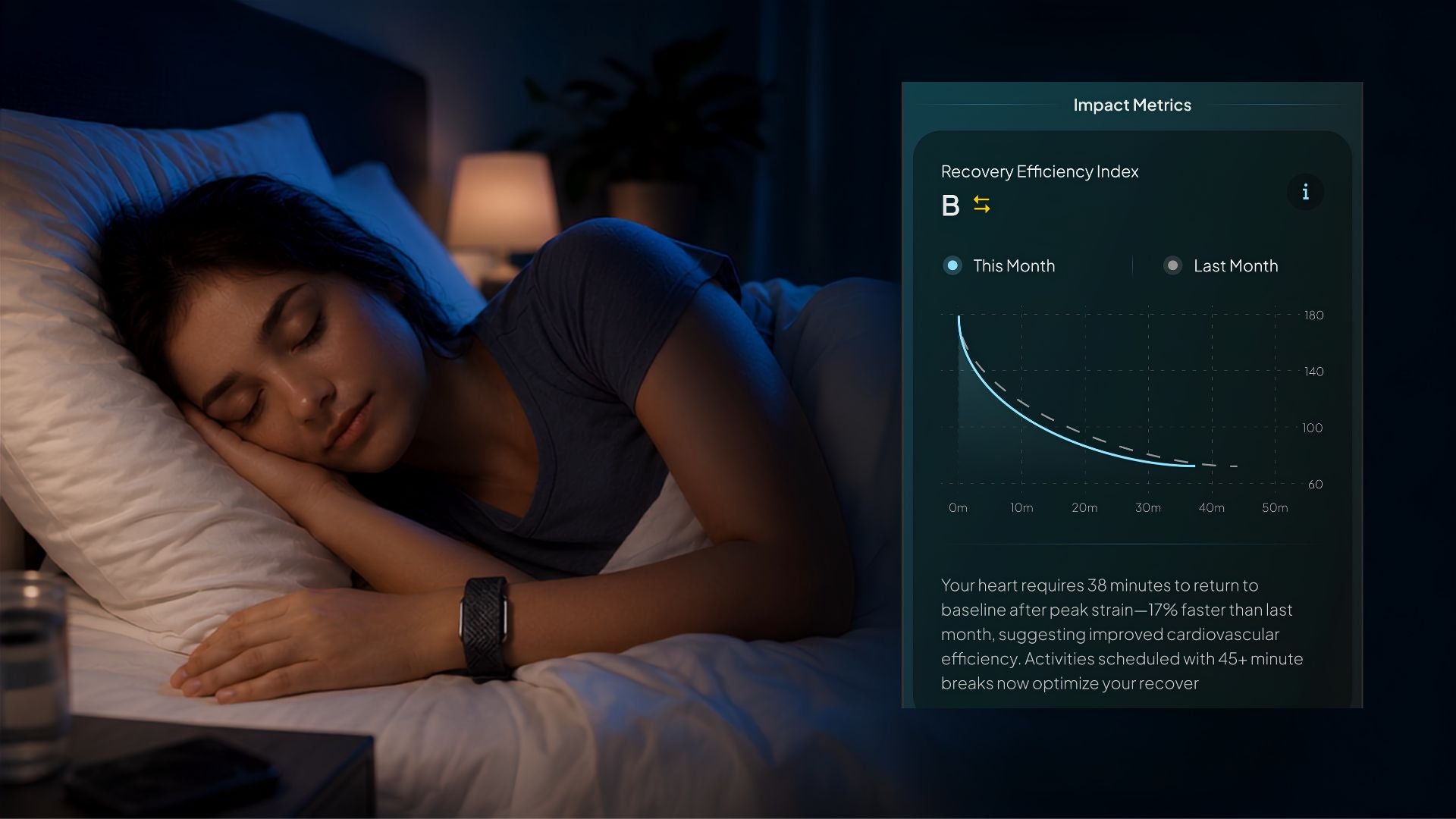
Here is the good news. Your body keeps score, and it shows in your heart long before you feel the crash.
When stress load is building, two things move together. Your resting heart rate climbs, and your HRV falls. Track both over time and the hidden stress stops being invisible.
The trouble was always measuring it. These readings shift by the minute, so a single check tells you nothing. You need them tracked quietly, all day and all night, against your own normal.
That used to mean a lab. Now it fits on your wrist.
Get a clear read on your stress in 15 seconds a morning
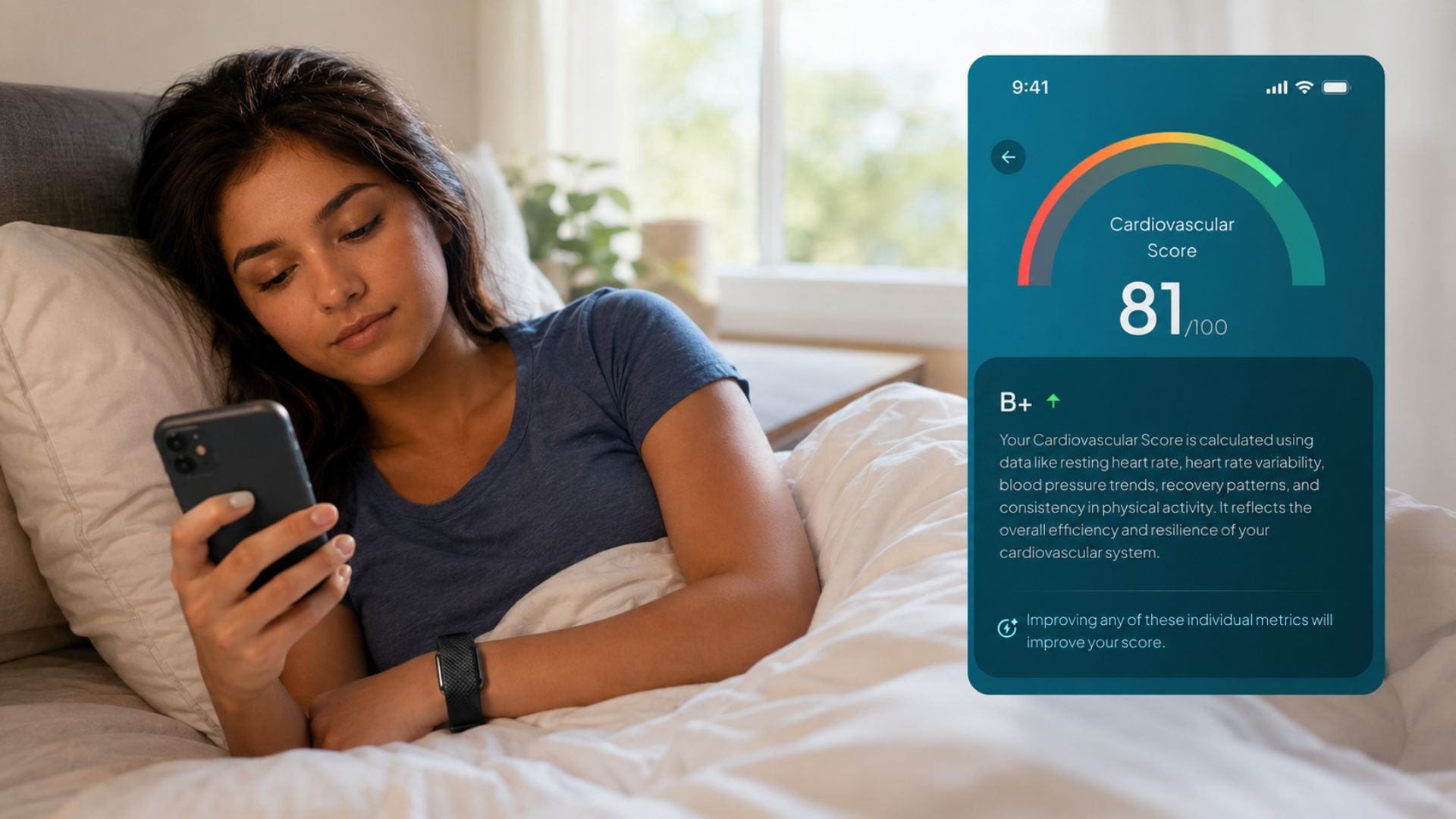
This is where the Hume Band 2.0 comes in.
It is a slim wellness band that reads your body around the clock and turns the noise into one simple morning number, so you can see your stress and recovery the way the readings really move.
The Band uses an optical sensor, five LEDs and four photodiodes, to pick up the small changes in blood flow under your skin. It samples more often than most wearables, which is how it tracks HRV and resting heart rate closely enough to mean something.
Each morning it gives you a recovery read. A high score means your body has settled and you are clear to push. A low score means the gas pedal is still down, and today is a day to go easier.
Introducing the Hume Band 2.0
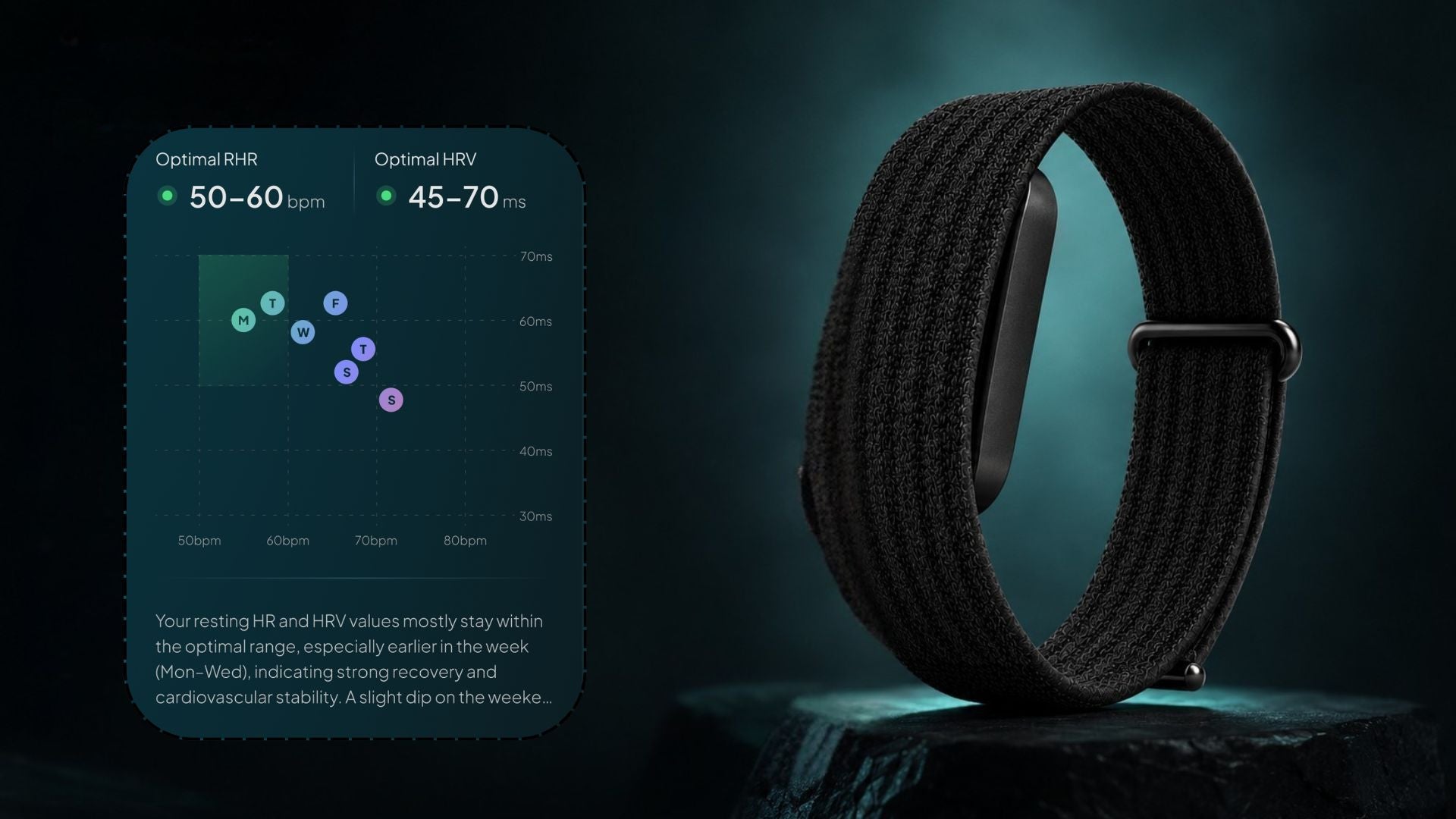
The Hume Band 2.0 reads the signals that track your stress load and recovery: heart rate variability, continuous heart rate, blood oxygen, respiratory rate, skin temperature, and your full night of sleep split into light, deep, REM, and awake.
It then turns all of it into plain-language scores in the free Hume Health app. No subscription is needed for your core data.
Two upgrades over the first Band matter most here.
The battery now runs up to 14 days on a single charge, and a short top-up on the dock is worth a full day of tracking. Stress and recovery only make sense when the data is unbroken, so the Band staying on through every night is the whole point.
The 2.0 also adds blood pressure insights, so you can follow your blood pressure trends alongside your stress and recovery in one place.
What the Hume Band 2.0 gives you
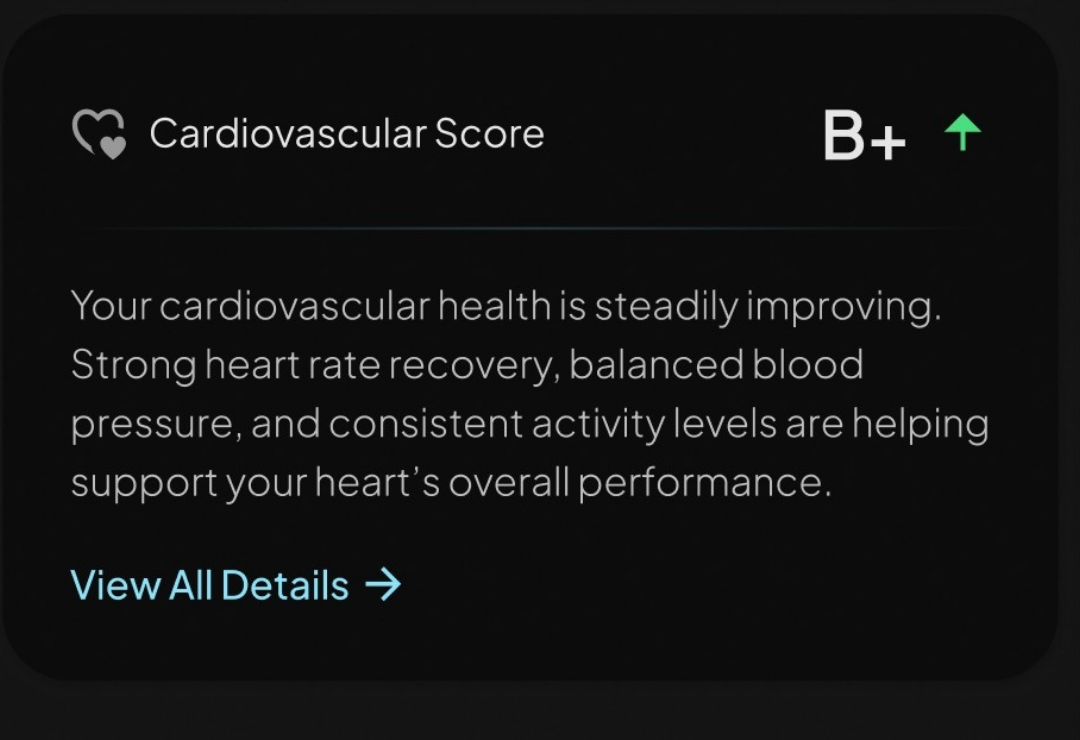

A daily stress and recovery score, so you stop guessing how worn down you really are
HRV and resting heart rate tracked against your own baseline, day and night
Blood pressure insights, so you can watch your trends over time
Up to 14 days on one charge, so it stays on through the nights that matter
The free app turns your overnight readings into clear scores for stress, recovery, and sleep, with no subscription for the core data.
The Band is water resistant to IP68, rated to one meter for up to two hours, so showers and workouts are no problem.
The UltraLux strap is light and soft enough for round-the-clock wear, which is what makes the overnight data complete.
The readings that explain how you really feel
Most bands count steps and stop there. The Hume app goes after the numbers that explain your energy, your mood, and your sleep. You will find these in the free app:
Recovery score: a daily read on whether your body has settled overnight or is still running hot.
HRV trend: the direction your nervous system is heading, so a slow slide into burnout shows up early.
Resting heart rate: tracked against your own normal, so a steady climb is easy to spot.
Blood pressure insights: your blood pressure trends over time, in the same place as the rest.
The science behind the signal: HRV is not a wellness fad.
It is one of the most studied markers of how the body handles stress, and researchers have linked higher HRV to better recovery and resilience for years.
What changed is access. Reading HRV well used to take clinical equipment. Now a wrist sensor that samples often enough can track the same signal at home, every day, against your own baseline.
That is what makes the difference. One reading is noise. A trend you can watch over weeks is something you can act on.
Rated by thousands of Hume Band owners
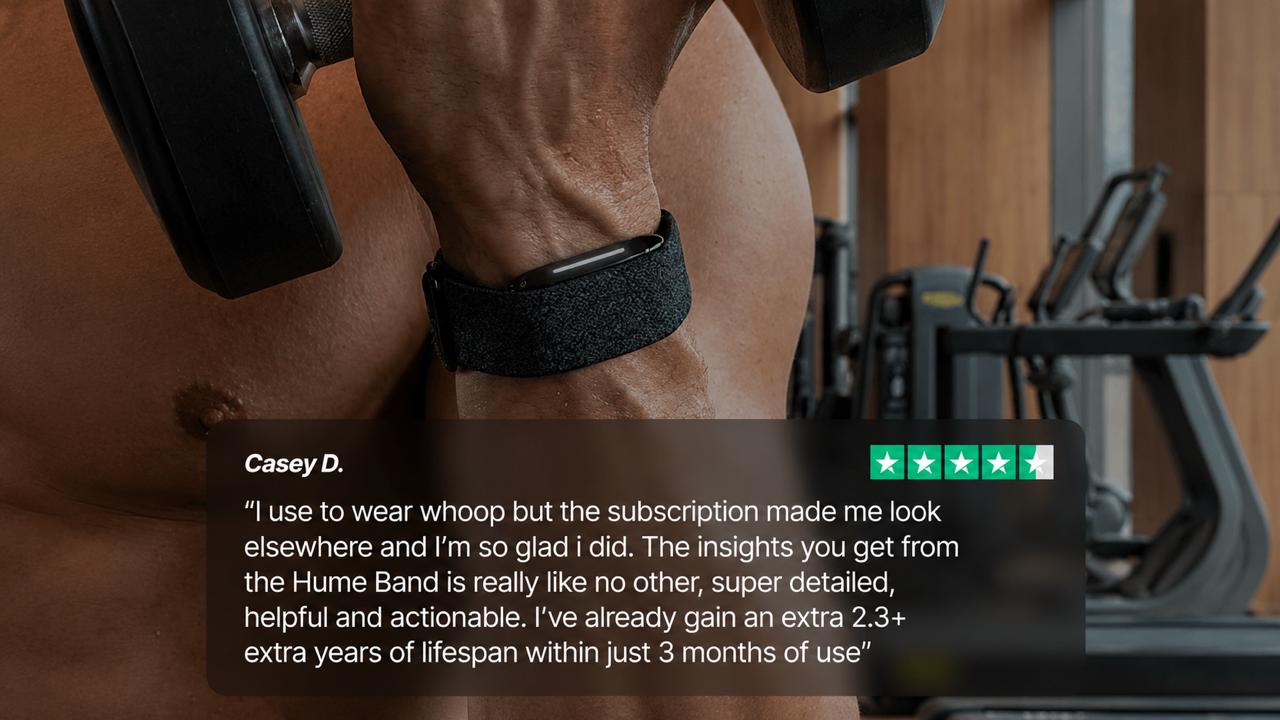
Charlotte Hudson

Reviewed in the United States on May 5, 2026
✔ Verified Purchase
I finally understand my own tiredness
“I had been dragging for months and could not work out why. My sleep looked fine on the clock. The first week with the Band showed my HRV on the floor and my resting heart rate way up from my normal. Turns out my late workouts and late emails were the problem. I moved both earlier, and within a few weeks the scores climbed and I stopped waking up exhausted. The battery easily lasts me almost two weeks, so I never miss a night. It has been a quiet game changer.”
94 people found this helpful
William Boxall
Reviewed in the United States on April 22, 2026
✔ Verified Purchase
The stress score keeps me honest
“I am the type who pushes through everything and calls it discipline. The Band called my bluff. In the mornings my recovery is low, I now take it easy instead of grinding, and I get more done the next day, not less. Being able to see my blood pressure trend in the same app is a bonus my doctor appreciated. No subscription, and the data is mine. I wish I had this years ago.”
71 people found this helpful
Who the Hume Band 2.0 is for
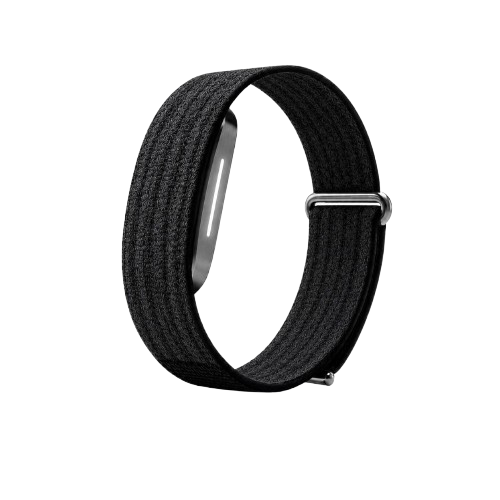
Finally see the stress and recovery your checkup keeps missing
Hume Band 2.0

4.6 out of 5
3,612 customer ratings
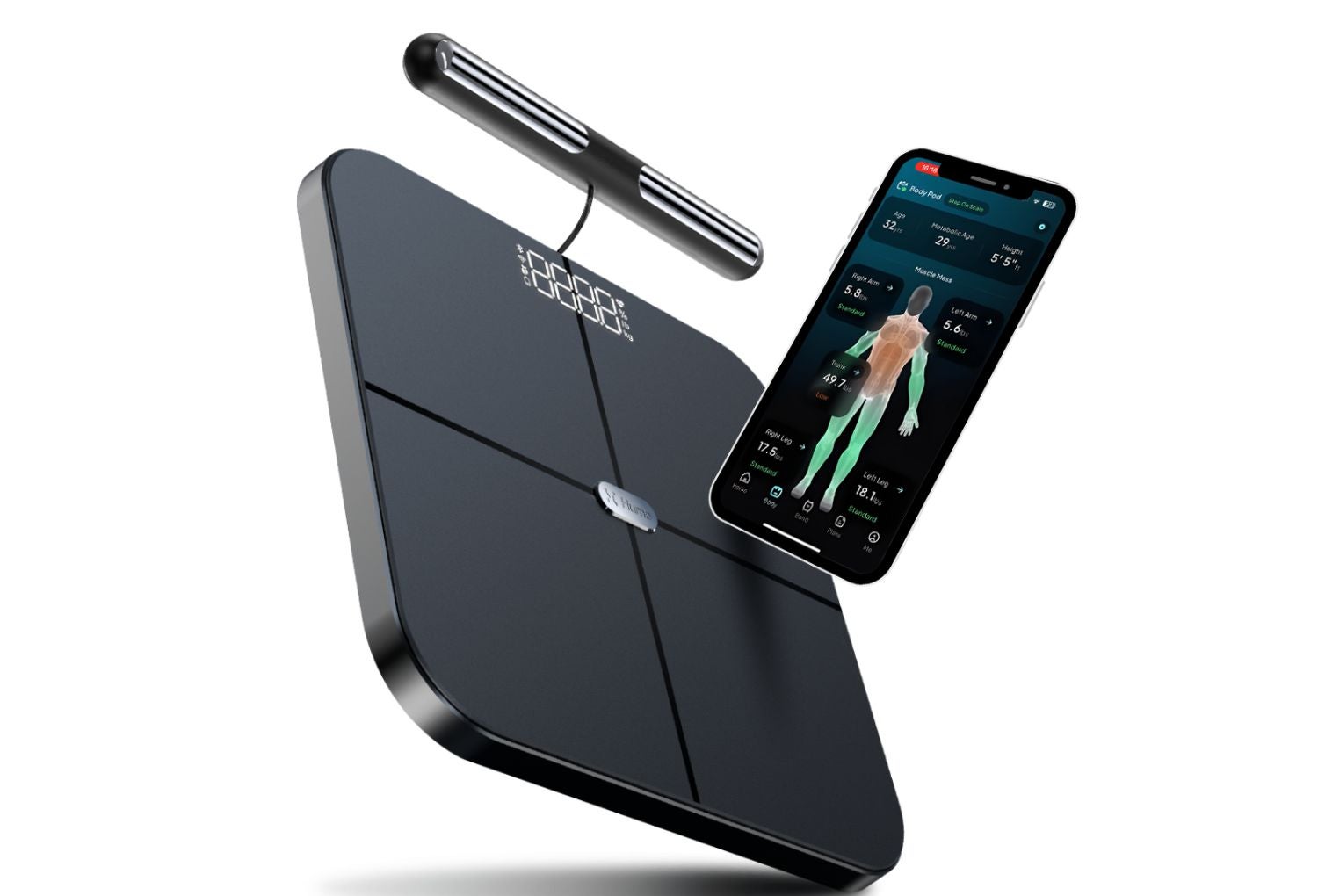
Order Now and Receive a Special Discount!
That's the lowest bioelectrical impedance price that the Hume Health Pod has ever been offered for!
Compare that to:
● DEXA scans: $75-150 per session (you need 10+ sessions per year to track properly = $750-1,500/year)
● Bod Pod sessions: $50-75 per test
● Professional BIA analysis at clinics: $40-100 per session
● InBody scans at gyms: $25-50 per scan.
Check Availability
The information and other content provided on this page, or in any linked materials, are not intended and should not be construed as medical advice, nor is the information a substitute for professional medical expertise or treatment.
If you or any other person has a medical concern, you should consult with your health care provider or seek other professional medical treatment. Never disregard professional medical advice or delay in seeking it because of something that you have read on this page or in any linked materials. If you think you may have a medical emergency, call your doctor or emergency services immediately.
© 2026 All Rights Reserved. Privacy Policy - Terms of Service